

Surprising fact: roughly one in five people who cash out retirement plans before 59½ faces hefty taxes and penalties that can wipe out decades of retirement savings.
This piece answers the core question plainly: whether you may move only part of a 401(k) balance into a Silver IRA while leaving the rest untouched. It lays out eligibility, step-by-step process, and the IRS rules that let an ira hold physical silver under federal rules.
Expect clear decision points: check plan rules on partial moves, confirm employment status, and choose the safer direct method over indirect handling to avoid tax traps.
At a high level, a Silver IRA is a self-directed retirement account that permits holding physical silver and other precious metals rather than only stocks or bonds. Practical checklists in this guide show what to ask the plan administrator, which documents to gather, and how to sync the custodian, dealer, and depository.
Note: partial moves are common, but plan rules and IRS compliance determine what’s possible. This content is educational; tax situations vary, so consider speaking with a tax professional for tailored advice.
Key Takeaways
- Partial transfers may be allowed, but plan rules control eligibility.
- A Silver ira holds physical silver under IRS rules and needs a custodian.
- Direct handling of funds reduces risk of taxes and penalties.
- Gather plan documents and coordinate custodian, dealer, and depository.
- Consult a tax pro for personalized guidance on complex situations.
Why investors consider a Silver IRA rollover in the United States right now
More frequent career moves are forcing investors to decide what happens with former workplace plans. From 2020–2022 about 38% of Americans switched jobs, up from 32% in 2018. Nearly 40% of those who changed employers drained their entire account, creating urgent risks for long-term retirement planning.
Cashing out often triggers ordinary tax on the distribution plus a potential 10% early withdrawal penalty if under age 59½. That tax bill and lost compound growth can erode decades of retirement savings.
Market volatility and inflation have pushed some investors toward precious metals as a diversification tool. Silver offers tangible exposure that feels more concrete than mutual funds and may reduce the urge to cash out during job moves.
Keeping funds inside a tax-advantaged wrapper via a rollover is one option for preserving sheltered growth while reallocating part of a portfolio. Whether this route is allowed depends on plan rules and employment status; the next section explains how to check eligibility.
Can I do a partial 401k rollover to a silver IRA?
Whether a portion of your workplace savings may be moved into metals depends on plan rules and employment status.
When former-employer transfers are typical
After leaving an employer, most plans allow a rollover of some funds. Many administrators accept partial transfers, though procedures vary.
What to ask if still on the job
Active employees often face limits on penalty-free distributions. Ask the plan administrator about in-service withdrawal rules and whether partial amounts are permitted.
Short script for the administrator
- Are in-service withdrawals allowed for my account?
- Is there a minimum transfer amount and required paperwork?
- Do you support direct transfers and check-payee instructions?
How this fits within a bigger portfolio
Keeping some funds in the workplace plan preserves low-cost index options and loan features. Moving another portion into a self-directed ira lets you add silver while keeping traditional IRAs and holdings like stocks and bonds for balance.
Note: rollovers move existing balances and do not affect annual contribution limits. Next, learn about self-directed accounts needed for holding physical silver.
Silver IRA basics: what it is and why a self-directed IRA matters
Definition: a self-directed IRA that holds physical silver products meeting IRS standards.
Most standard brokerage accounts restrict holdings to stocks, bonds, mutual funds, and ETFs. Those platforms typically do not accept physical bullion because custody and storage fall outside their service model.
A self-directed IRA expands eligible investments, enabling approved metals and other alternatives. The custodian handles paperwork and compliance while the account holder directs purchases within IRS rules.
Traditional vs Roth frameworks
Traditional IRAs offer tax advantages through tax-deferred growth; withdrawals are taxed as ordinary income in retirement. Roth IRAs grow tax-free, and qualified distributions are usually tax-free, which affects long-term retirement planning.
Many investors include gold alongside silver for added diversification. “Physical” here means actual coins or bars stored in an IRS-approved depository, not mining stocks or ETFs.
“Silver’s value moves over time, so it’s best used as part of a diversified retirement plan rather than the sole strategy.”
Next, IRS rules define which coins and purity levels qualify and where metals must be stored.
IRS rules that determine what silver and which accounts qualify
Not all bullion meets IRS requirements; strict purity and storage rules govern eligible metal holdings.
Purity and approved products. Silver held inside an ira must meet at least .999 fine purity. Commonly accepted options include American Silver Eagles, Canadian Silver Maple Leafs, and .999+ bars from LBMA or COMEX–approved refiners.
What’s not allowed
Collectibles and numismatic coins are excluded. Coins valued for rarity, jewelry, and other collectibles do not qualify. Holding disallowed items risks losing tax-advantaged status for the account.
Storage rule and secure storage
Home storage is prohibited. Metals must remain in an IRS-approved depository under secure storage arrangements.
Secure storage usually means vaulted custody, insurance, and strict inventory controls. These controls help meet IRS rules and protect holdings from loss.
RMDs and distributions timing
Required Minimum Distributions generally begin at age 73 for applicable iras. Plan for liquidity so metals sales or transfers cover distributions without unexpected taxes or penalties.
Next step: choose a custodian, dealer, and depository that follow these rules and work together during any transfer.
Before you start: choosing the right custodian and precious metals partner
A clear split of responsibilities between custodian and dealer avoids common paperwork headaches.
What each firm handles
The SDIRA custodian manages account administration, reporting, and compliance. The metals dealer sources and sells IRA-eligible silver and other precious metals.
How to vet reputation and transparency
Check years in business, independent reviews, and complaint histories. Look for clear pricing and written policies that describe service options and security measures.
Why fees matter and buyback programs help liquidity
Ask for a full fee schedule: setup, annual, storage, insurance, and transaction costs. A fair buyback program affects the value recovered when selling metals for distributions or rebalancing.
- Red flag: high-pressure pitches or push toward nonqualified items.
- Benefit: the right partners ease compliance and boost security for retirement assets.
| Role | Primary duty | Key check |
|---|---|---|
| Custodian | Account admin and compliance | Clear reporting, IRS experience |
| Dealer/Provider | Source approved metals and handle purchase | Transparent pricing, verified inventory |
| Buyback program | Liquidity for selling metals | Fair market-based offers, documented policy |
Next: with the right team selected, the execution steps become far easier and less risky.
How to execute a partial rollover step-by-step without triggering unnecessary taxes
Begin with preparation: open a self-directed ira that accepts physical metals and confirm the custodian will receive incoming rollover funds.

Open the account and gather paperwork
Request account setup from the custodian and ask what they need before a transfer. Common documents include a recent plan statement (usually within six months) and ID.
Choose how much to move
Decide your transfer amount based on overall portfolio allocation and long-term investments, not short-term market moves. Keep contribution and account limits in mind.
Initiate the transfer
Contact the employer plan administrator and submit the custodian’s rollover instruction form. Use direct transfer wording to avoid withholding and taxes penalties.
Track confirmations and timing
Expect initial acknowledgments within 7–10 days after paperwork or checks arrive. End-to-end processing commonly takes 2–6 weeks depending on providers.
Common friction points: missing signatures, incorrect payee language, and outdated statements. Verify each form against the custodian checklist before submitting.
“Direct coordination between the plan administrator and custodian reduces tax risk and speeds the transfer process.”
| Step | Action | Typical timing |
|---|---|---|
| Account setup | Open SDIRA and confirm acceptance | 1–7 days |
| Document collection | Recent plan statement, ID, account forms | 1–3 days |
| Initiate transfer | Submit administrator paperwork with custodian instructions | 7–10 days for acknowledgment |
| Funds arrival | Custodian confirms and posts funds | 2–6 weeks end-to-end |
Next: the choice between direct and indirect movement is the biggest lever for avoiding withholding and deadline risk.
Direct rollover vs indirect rollover for moving 401(k) funds into a Silver IRA
How funds move from an employer plan into a metals account changes tax outcomes and paperwork.
Direct transfer benefits
Direct rollover sends funds custodian-to-custodian. This route reduces steps and generally avoids tax withholding when forms are completed correctly.
It cuts error risk and speeds the process. For most savers, this is the safest path for keeping distributions tax-sheltered.
Indirect transfer risks
Indirect rollover pays funds to the account holder first. Employer plans often withhold 20% up front. That withheld amount may need replacing out-of-pocket to roll over the full balance.
The law sets a strict 60-day redeposit window. Missing it can turn the transfer into a taxable distribution and may trigger a 10% early withdrawal penalty if under age 59½.
“Whenever possible, request checks made payable to the receiving custodian for the benefit of the retirement account.”
Best practice: prefer the direct rollover and confirm plan rules before starting. Once funds arrive in the SDIRA, select IRS-approved products and arrange compliant storage.
Buying physical silver inside the IRA and setting up secure storage
After funding the account, the next step is directing the custodian to order eligible bullion through a vetted dealer.
Work with the custodian and a reputable dealer to place the order for approved products. Common options include American Silver Eagles, Canadian Silver Maple Leafs, and .999+ bars from LBMA or COMEX refiners. Reputable partners confirm purity and accreditation before purchase.
Once purchased, the dealer ships metal straight to an IRS-approved depository. Home delivery is not allowed, so storage must meet IRS rules and offer insurance and audited inventory.
Segregated vs commingled storage
Segregated (allocated) keeps specific bars or coins identified for the account. This gives higher control and clearer ownership, but costs more.
Commingled (non‑allocated) stores metal pooled with others. It usually cuts fees, yet inventory is generic and may affect future sale pricing and perceived value.
| Storage type | Control | Typical cost | Liquidity impact |
|---|---|---|---|
| Segregated | High | Higher annual fee | Easier to match lot for sale |
| Commingled | Lower | Lower annual fee | May affect premiums at sale |
| Depository | Secure audits & insurance | Storage + insurance charges | Reliable transfer processes |
Plan for ongoing storage and insurance costs as part of the true expense of holding physical metals. Choices about storage and product affect spreads, premiums, and how quickly holdings convert back into cash. These factors feed directly into cost and tax planning for future sections.
Costs, taxes, and penalties to plan for with a partial precious metals rollover
Knowing the full cost picture prevents surprises when shifting some retirement assets into precious metals.
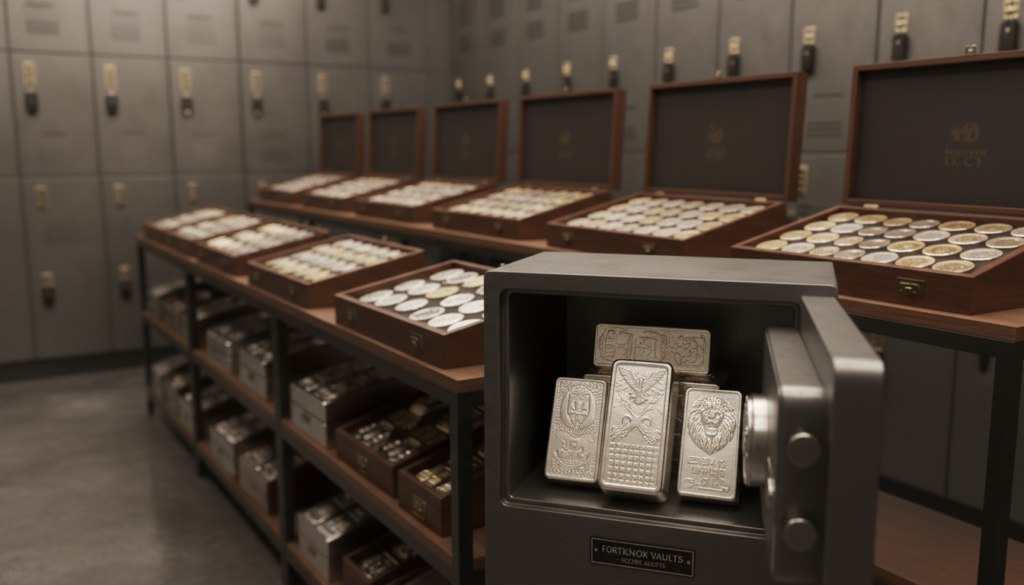
Expect four main fee types: one-time setup, annual custodian charges, depository storage plus insurance, and dealer premiums over spot. Some providers add transaction fees for buys and sells.
Moving only part of an account does not always lower total expenses. Fixed charges like setup and annual administration often remain the same regardless of amount moved.
Tax and conversion basics
Traditional IRAs generally defer taxes until withdrawal. Converting funds into a Roth may trigger taxable income in the conversion year. That move could raise your bracket, so time conversions carefully.
Common compliance mistakes
- Buying non‑eligible products or attempting home storage.
- Missing the 60‑day deadline on an indirect transfer or accepting improper check payee language.
- Mixing personal and IRA funds or poor recordkeeping.
| Cost area | Typical range | Why it matters |
|---|---|---|
| Account setup | $0–$100 | One‑time admin; affects early cost |
| Annual custodian fee | $50–$300 | Ongoing compliance and reporting |
| Storage & insurance | $50–$500/yr | Secures metals; required by rules |
| Dealer premiums | Up to 10% over spot | Impacts buy/sell spreads and liquidity |
“Follow IRS rules, use direct transfers when possible, and pick transparent partners for the best outcomes.”
Keep copies of statements and transaction records even though the custodian handles reporting. Holding both silver and gold affects premiums and storage choices, so compare costs before finalizing any move.
Conclusion
, Finish with intention: confirm eligibility, pick trusted custodian and dealer, and follow IRS rules before finalizing any transfer.
Summary: A partial rollover is often possible from a former-employer plan, though active employees must verify plan rules first. Prefer direct transfers for the cleanest outcome and to avoid withholding, taxes, or penalties.
Key compliance: buy only IRA‑eligible, .999‑fine products and keep holdings in an IRS‑approved depository. Remember RMD timing and liquidity needs when planning withdrawals.
Treat silver as one piece of a diversified retirement portfolio. Plan for fees and timelines, confirm paperwork, execute the transfer, then order and store metals properly.
Next step: if tax or conversion questions remain, consult a qualified tax or financial professional before moving assets.