
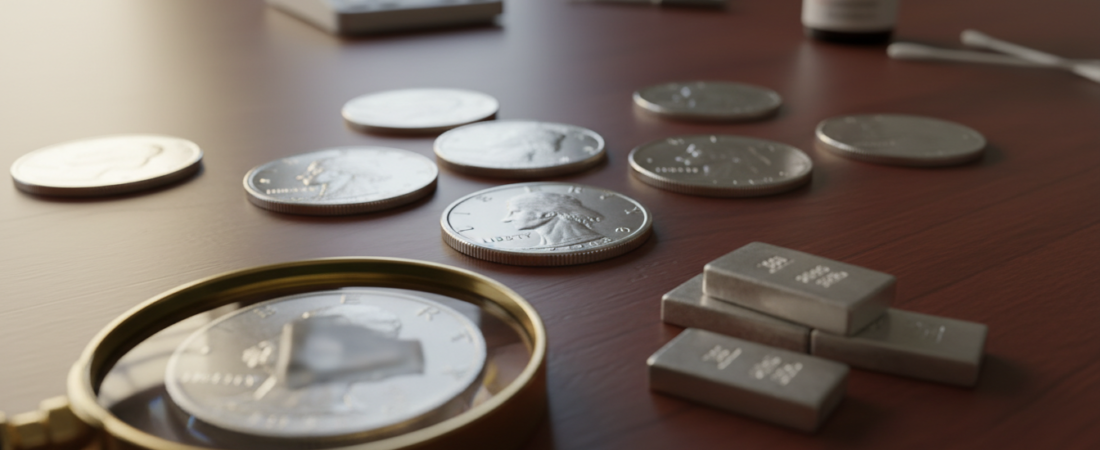
Nearly one in ten bullion sales reported in recent marketplace surveys involve counterfeit pieces, a sharp rise as precious metals gain attention from new buyers.
Counterfeit silver means base metal or plated items sold as genuine bullion. For many U.S. investors, that risk hits wallets and peace of mind. This brief guide explains what to check before any purchase and why layered verification matters.
Expect quick pre-buy checks, clear signs of authentic weight and purity, simple at-home tests, and guidance on when professional verification pays off. The focus is bullion bars and coins, not collector pieces, so checks emphasize weight, dimensions, packaging, and seller credibility.
Counterfeiters chase precious metals because these items move easily, ship fast, and carry value that is hard to trace. The goal here is practical, step-by-step actions that help protect money in private deals and online listings.
Safety note: if something feels off, slow down and verify. Replacing a counterfeit costs far more than taking an extra minute before a purchase.
Key Takeaways
- Learn quick checks for weight, size, and markings before buying.
- Use multiple tests rather than trusting a single trick.
- Know the difference between wear or toning and actual phony pieces.
- Watch private sales and online listings for suspiciously low prices.
- When in doubt, get professional verification to protect your money.
Why counterfeit silver is rising in the United States market
Portable value and broad buyer demand have turned silver into a target for sophisticated scams.
Core incentive: Counterfeiters can plate low-cost base metal and sell it as genuine bullion at a margin that still looks like a bargain. That profit motive fuels production of convincing fakes and creates steady supply for shady markets.
Common forms that mislead buyers
Most knockoffs appear as silver-plated items or base-metal copies made to mimic trusted stamps. Fraudulent assay cards, tamper-free packaging copies, and coins that imitate well-known designs are frequent tactics.
Where fakes seep into the market
Online marketplaces, private listings, and social media groups let anonymous sellers move product fast. That anonymity makes it easier for sophisticated fakes to reach experienced buyers, especially when a low price creates urgency.
Why investors are targeted
Bullion buyers often chase spot pricing and may skip careful checks in a rush to secure a deal. Bars and coins present different risks: coins can hide in detailed engraving, while bars often rely on stamps, weight, and packaging for trust.
Bottom line: The growth in deceptive listings means visual checks alone aren’t enough. Smart, repeatable steps reduce risk when buying silver, gold, or other precious metals.
Fast red flags to spot fake silver before you buy
A short, methodical scan of price, marks, and packaging reveals most scams.
Prices far below spot value and “too good to be true” deals
Price well under current spot is the top warning sign. Legitimate dealers rarely sell bullion at a loss.
Run a quick “spot price + premium” check. If the listing looks like a steal, treat it as a red flag not a lucky find.
“If someone pressures you with urgent language, pause and verify—urgency is a common pressure tactic.”
Unfamiliar mint names, odd marks, and questionable packaging
Look for misspelled mint names, inconsistent fonts, or odd logos. Those marks often reveal fakes.
Low-quality printing, generic assay cards, or sealing that doesn’t match known brand packaging are additional warnings.
Missing or unclear weight and purity details on the item
Genuine pieces show weight, fineness (.999), a mint/refiner hallmark, and often a serial number on a bar.
If an item’s specs are faint, missing, or contradictory, step back. Compare listing photos to trusted dealer sites before buying.
- Check seller credibility: established dealers, clear policies, consistent reviews.
- Beware private sellers with urgent timelines.
- Walk away if multiple red flags appear—recovery is hard after a counterfeit sale.
Know what authentic silver bullion should look like
Genuine bullion shows clear marks and crisp detail that separate it from lower-grade pieces.
Fine silver for investment is normally .999 or .9999 purity. That is the standard benchmark; sterling, at .925, is common in jewelry and not typical for investment-grade pieces.
Recognizing standard stamps and hallmarks
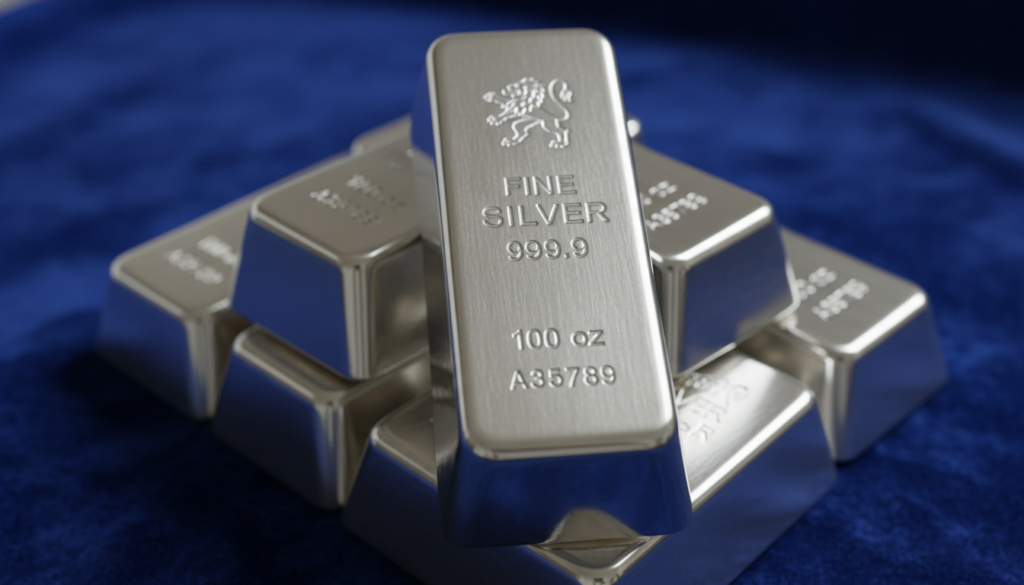
Legitimate pieces usually list weight (troy oz or grams), fineness/purity, and a mint or refiner hallmark. Bars often include serial numbers that match assay paperwork.
Our Top Company Pick for 2026

Minimum Investment with Augusta Precious Metals is $50,000.
See Our Full 2026 Company ComparisonDesign precision and common authenticity cues
Real items have crisp edges, consistent fonts, sharp relief, and fine micro-details. Text should be clear and centered.
Warning signs include shallow relief, soft lettering, inconsistent spacing, or a surface that looks cast rather than struck.
| Feature | Expected on genuine bullion | Suspect sign |
|---|---|---|
| Fineness mark | .999 or .9999 clearly stamped | Missing, vague, or “100% pure” wording |
| Weight notation | Troy oz or grams matching specs | No weight or conflicting numbers |
| Mint/serial | Refiner name/logo; bars may show serials | Misspelled mint names or mismatched serials |
Quick rule: treat authenticity as overlap of correct specs, correct markings, and correct design quality. Learning the look of known refineries makes odd pieces stand out sooner.
At-home tests to authenticate silver bars and coins
Simple checks build confidence. Use a handful of repeatable tests rather than trusting a single trick. This lowers risk when inspecting a purchase or a sudden deal.
Visual inspection: Look for crisp strike quality, sharp lettering, and consistent fonts. Blurry or “mushy” details are an easy spot for counterfeit makers.
Magnet test: Use a strong neodymium magnet. If the magnet strongly attracts the item, it likely contains ferrous metal. Some non-magnetic fakes still pass, so keep testing.
Weight and dimensions: A precision scale and calipers reveal small mismatches. Coins can match diameter but be wrong in thickness or weight. Confirm specs against the issuer.
Ping test: Tap a real coin and listen for a bright, sustained ring. A dull thud or short sound suggests base metal; sound is a quick, telling cue.
Ice cube test and odor: Place an ice cube on the metal and watch melting speed—silver’s high conductivity melts ice faster than many alloys. Also smell the item; genuine pieces are mostly odorless, while base-metal alloys often give a metallic scent.
Acid test: Acid can confirm reaction but risks surface damage. Reserve this for non-premium pieces or when surface harm is acceptable.
- Repeatable workflow: inspect → measure → magnet → ping (for coins) → ice/odor → seek professional testing if results conflict.
Coin-specific checks counterfeiters often get wrong
Spotting rim and relief errors is one of the fastest ways to judge a suspect piece. A close visual scan often reveals flaws that escape casual buyers.
Rim, edge, and relief details that reveal counterfeit coins
Edges matter. Look for consistent reeding and even rim height. Counterfeit pieces often show sloppy reeding, uneven rims, or rounded lettering that should be crisp.
Relief and luster are next. Genuine bullion has sharp, well-defined relief and clean fields. Fakes may look flat, grainy, or soft in high points.
Comparing design elements with trusted examples
Weigh and measure every coin. A digital scale and calipers catch small deviations from official specs. Even well-made copies often miss weight or thickness tolerances.
Side-by-side comparison helps. Use high-resolution images from a recognized mint or major dealer and check tiny marks: microtext, line thickness, and spacing. Modern security cues—like the Silver Britannia’s latent image, surface waves, and micro inscription—are easy reference points.
- Rule of consistency: rim + edge + design + weight must match known genuine examples.
- Bookmark official product pages for diameter, thickness, and weight before buying.
Bar-specific checks for silver bullion and assay packaging
Flat, stamped surfaces make bullion bars an attractive target for clever counterfeiters. That plain face lets forgers stamp believable marks quickly, so a close, layered check is essential.
Top Precious Metals Companies of 2026
A streamlined side-by-side snapshot to help you compare leading precious metals providers for physical metals and IRA rollovers.
Note: Minimums/fees can vary by account type and promotions. Always confirm details directly with the provider.
Assay cards, tamper-evident seals, and common packaging tricks
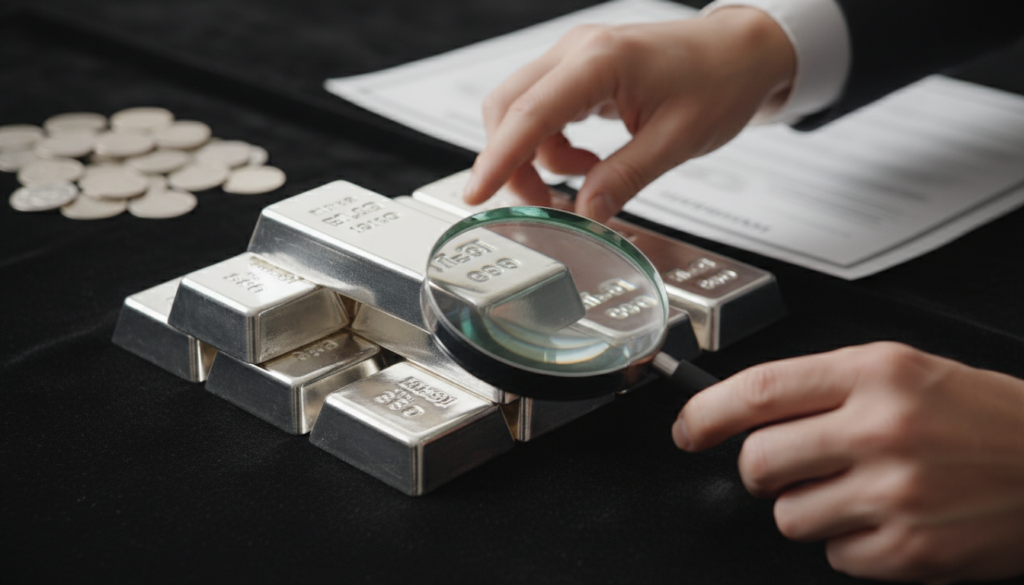
Check packaging quality: genuine assay cards show clean printing, consistent branding, and unbroken seals. Look for re-glued seals, lamination bubbles, blurry logos, or misspellings.
Watch for generic assay cards paired with a well-known mint name. Generic inserts, mismatched color schemes, or cheap plastic often signal a problem.
Weight, thickness, and purity markings that should match the product spec
What the item must show: clear weight, fineness like .999, a refiner hallmark, and often a serial number. Verify these against the official product listing before buying.
Measure thickness and dimensions with calipers. Even if a piece matches weight, odd thickness or shape can reveal a counterfeit. Treat the bar and the package as separate pieces of evidence.
- Photograph serial numbers and keep receipts for future verification.
- If any detail feels inconsistent, seek dealer-grade testing for full authenticity.
How to avoid fake silver bars and coins when buying
Start every buy with a clear verification routine that separates trusted offers from suspects.
Choose reputable dealers with a track record and strong reviews
Buy from established dealers that publish business history, clear policies, and verified reviews. Check BBB listings and major forum threads for repeat feedback.
Avoid high-risk marketplaces and unverified private sellers
Marketplaces with anonymous listings raise risk. Private sales can move fake coins and questionable bullion quickly. Prefer sellers who accept traceable payment and offer returns.
Stick to recognized mints and refineries
Favor products from Perth Mint, Royal Canadian Mint, and PAMP Suisse. Government-backed coin programs and major refineries use consistent specs and security features that cut counterfeit chances.
Use spot price and realistic premiums to sanity-check any deal
Compare the listing price against spot plus a normal premium. If the number looks unreal, step back. Request clear photos of front, back, and edge plus any paperwork before paying.
- Verify reviews, return policy, and authentication promises.
- Prefer payment methods with buyer protection when possible.
- Remember: lower risk beats the absolute cheapest price.
When to use professional verification for peace of mind
When a simple home check leaves doubts, professional testing can stop a costly mistake. Seek expert verification for high-value purchases, sealed items with unclear paperwork, or any private-party deal that shows conflicting results.
XRF analysis and other dealer-grade testing methods
X-ray fluorescence (XRF) is a non-destructive scan that reads surface composition. It reports elemental percentages quickly, helping confirm whether the piece matches expected silver bullion content.
Other tools used by dealers include advanced conductivity meters, specific gravity rigs, and visual microscopes. These methods find base metals and inconsistencies that home checks can miss.

Getting a second opinion from a trusted dealer, jeweler, or appraiser
If a professional test flags concerns, don’t resell the item. Document the purchase and contact a reputable dealer, bullion exchange, or certified appraiser for a second opinion.
Time vs risk: spending a little time and a modest fee now protects larger value later. For investors, verified authenticity eases future sales and supports insurance claims.
“If you suspect counterfeit silver, document everything and consult a professional before acting.”
- Use pro testing when at-home checks conflict or stakes are high.
- Prefer non-destructive XRF for sealed or collectible pieces.
- Keep records and get written verification for resale value.
Conclusion
Protect purchases by combining careful seller choice with quick verification steps you can repeat anytime.
Simple, safest approach: buy from reputable dealers first, then confirm authenticity with layered checks. Watch pricing far below spot, odd mint marks, and missing weight or purity details as top red flags for fake silver.
Repeatable at-home checks include visual inspection, magnet behavior, measurement checks, a ping for coins, and an ice conductivity cue. If tests conflict, seek XRF or a trusted pro.
Keep a reference file of official specs, photos, and receipts for every silver bullion, bar, or coin you own. Learning these steps is practical and gives real confidence.
Final way forward: slow down, verify, and get professional confirmation when anything feels uncertain.