
Affiliate disclosure: purchases made throught the link may pay the affiliate a commision at no extra cost to you. Thanks for helping keeping the site running. Informational in nature only, not financial advice.
Surprising fact: Over 40% of small investors who add precious metals to a retirement account don’t realize not every bar qualifies.
This guide explains, in plain terms, what makes a bullion piece acceptable for a self-directed retirement account in the United States. Not every strip of metal meets the rules set by the IRS. You’ll learn the four core pillars that decide acceptability: purity, approved producer, proper form and condition, and compliant storage.
We’ll also show how buying through a custodian differs from buying physical metal for your home safe. Expect concrete examples of approved brands like Valcambi and PAMP Suisse, plus common online pitfalls to avoid.
Why these checks exist: they keep quality consistent, simplify valuation, and prevent collectibles from entering retirement portfolios.
Our Top Company Pick for 2026

Minimum Investment with Augusta Precious Metals is $50,000.
See Our Full 2026 Company ComparisonKey Takeaways
- Not all bullion qualifies for a U.S. self-directed retirement account.
- Four pillars—purity, maker, form, and storage—determine acceptance.
- Buying via a custodian follows different steps than private purchases.
- Approved brands and proper storage protect your investment and taxes.
- This guide highlights common mistakes and the cost/tax factors that matter.
What “IRA-Eligible Gold” Means for a Self-Directed IRA in the United States
Not every bullion product can sit inside a retirement account — the metal, maker, and condition must line up with federal standards.
What a self-directed account is: It lets investors hold alternative assets such as precious metals while remaining governed by tax rules. Custodians and depositories enforce the rules so the holdings stay verifiable and auditable.
Why regulators set strict rules
The IRS aims to keep individual retirement accounts filled with investment-grade items that show consistent purity and clear provenance. Clear rules reduce valuation disputes and protect account holders from collectible-style premiums.
Gold bars versus coins: practical differences
Bullion bars usually track spot price and carry lower dealer premiums. They must come from accredited refiners and meet good-delivery form and condition.
Coins often cost more per ounce and can be treated as collectibles if not from approved government mints or if they are circulated. Coins in original packaging with documentation are safer for a gold ira.
- Quick checklist: Is it pure enough? Made by a recognized producer? In like-new condition? Stored with a custodian?
Next, we’ll dive into the two core rule categories every investor must meet: fineness/purity and collectibles restrictions.

IRS Rules That Determine IRA-Approved Gold Bars and Coins
Before a coin or bar can be added to a retirement plan, it must meet a few hard technical tests set by tax law.

Fineness is the first gate. The Internal Revenue Code (IRC Section 408(m)(3)) says purity matters: for gold, the metal must be at least 99.5% pure to pass the basic test. Silver, platinum and palladium have their own thresholds.
Producer rules come next. Coins usually come from government mints — U.S. Mint, Royal Canadian Mint, Perth Mint — while investment bars must originate from accredited refiners, assayers, or manufacturers. Proper hallmarking proves provenance.
Condition matters, too. For tradable bars, good delivery means clear markings, intact packaging, and an investment-grade finish. For coins, uncirculated or like-new condition avoids valuation disputes and keeps the item compliant.
“Purity and provenance are non-negotiable: they make valuation transparent and keep collectible items out of retirement custody.”
- Least 99.5: gold must meet this fineness unless covered by a listed exception.
- Producer: official mints or accredited refiners must back the piece.
- Condition: no heavy wear, damage, or alterations.
| Type | Fineness | Typical Producers | Notes |
|---|---|---|---|
| Maple Leaf (coin) | 99.99% | Royal Canadian Mint | Meets purity standards; coins must be uncirculated |
| Austrian Philharmonic (coin) | 99.99% | Austria Mint | Popular IRA option when in mint condition |
| American Gold Eagle (coin) | 91.67% | U.S. Mint | Exception: accepted despite lower purity |
| Good-delivery bar | ≥99.5% | Accredited refiners (PAMP, Valcambi, etc.) | Must carry hallmarks and be trade-ready |
Collectibles are generally barred. Some historic or collectible-style coins look like bullion but are excluded. Examples include older sovereigns and Liberty pieces. Popular status alone does not guarantee acceptance.
These rules form the checklist dealers, custodians, and depositories use to confirm that coins and bars meet IRS standards for retirement accounts.
IRA eligible gold bars requirements: Purity, Producer, Form, and Condition
Before you buy, know the four checks that decide whether a bullion piece will pass muster for retirement custody.
Purity standards explained in plain English
Look for “.995 fine” or higher. That number means the metal is at least 99.5% pure and meets the core purity standard most custodians and depositories accept.
Why it matters: higher purity ensures consistent value and easier resale, and it helps the piece meet IRS testing and valuation rules.
Approved producers and hallmarking
Buy from accredited refiners and well-known mints. Real-world proof shows up as a refiner name or logo, weight, fineness stamp, and often a serial number.
Check the mark: refiner, weight, purity, and any assay or serial code before you complete a purchase.
Top Precious Metals Companies of 2026
A streamlined side-by-side snapshot to help you compare leading precious metals providers for physical metals and IRA rollovers.
Note: Minimums/fees can vary by account type and promotions. Always confirm details directly with the provider.
Formats, common weights, and examples
Popular sizes that hit the custody sweet spot are 1 oz, 10 oz, and 1 kg. Smaller pieces offer liquidity; larger ones lower dealer premiums and save storage space.
- Common IRA-friendly options: 1 oz Valcambi, 1 oz PAMP Suisse, 1 oz Perth Mint, 10 oz Royal Canadian Mint, 1 kg Argor‑Heraeus.
- Brands matter for trust and resale, but purity and clear markings control value and price most of all.
How to avoid non-qualifying products online
Watch for phrases like “plated,” “collector edition,” or vague purity claims. Too-good-to-be-true price cuts often hide wrong fineness or damaged condition.
“Always request product specs and documentation, and confirm the piece is new and in good-delivery condition before buying.”
Storage Rules: IRS-Approved Depository Requirements and Why Home Storage Is Prohibited
Safe storage is the non-negotiable step that keeps physical metal inside a retirement plan from becoming a taxable distribution.


The rule is simple: if the account owns the metal, you cannot hold it personally. Home possession may be treated as a distribution and create immediate tax consequences and penalties.
Who does what: custodian vs. depository
The custodian administers the account and processes purchases. The depository physically holds and secures the metal. Both must be approved to protect tax status.
Depository security basics
An irs-approved depository offers insurance, routine audits, and a documented chain of custody. Controlled access and secure vaulting minimize theft and dispute risk.
Segregated vs. non-segregated storage
Segregated means your metal is identified and set aside. Non-segregated (commingled) pools holdings together. Segregated often costs more but gives clear ownership.
“Confirm where each purchase will be held, the storage program, and any ongoing fees before you buy.”
- Verify the custodian and depository are approved.
- Ask about insurance limits, audits, and chain-of-custody records.
- Understand how segregated vs. pooled storage affects ownership and costs.
Choose storage carefully — the wrong setup can trigger taxes, a 10% penalty if under 59½, and loss of retirement benefits.
How to Buy IRA-Approved Gold Bars Step by Step
A clear purchase plan stops common mix-ups: open the right account, fund it, pick compliant pieces, and use a custodian to buy and store them.
Open a self-directed IRA and pick a custodian
Choose a self-directed ira custodian that specializes in precious metals. Confirm they handle precious metals accounts and disclose all fees.
Tip: Ask if they work with reputable depositories and established dealers.
Fund the account: contributions, rollovers, or transfers
Fund the account via a new contribution or move money from other retirement accounts using a rollover or transfer. Each method has timing steps to avoid taxes.
Pick ira-approved gold and coins that meet IRS rules
Select products that match purity, producer, and condition standards. Cross-check product specs and serial numbers before ordering.
Remember: the custodian must execute the purchase — you should not buy and later add an item yourself.
Execute the purchase and arrange shipment to the depository
Your custodian places the order with the dealer and arranges insured shipping directly to the depository. Confirm intake windows, inventory holds, and settlement timing to avoid delays.
Keep clear documentation
- Invoices for cost basis and fees.
- Product spec sheets showing purity and maker.
- Depository confirmations and chain-of-custody receipts.
“Maintain records — they prove compliance, preserve tax status, and protect the value of your investment.”
Before you buy, ask the custodian about future liquidation or in-kind transfer options. If you want more context on whether this type of investment fits your goals, read is a gold ira a good investment right.
Trump & Elon Reunite for Secret Silver Pact
Whispers are coming out of Mar-a-Lago and Silicon Valley…
Trump and Elon Musk may not agree on everything. But insiders say behind closed doors, they’re betting on the same thing:
Silver.
And the numbers explain why:
- Silver is now up more than 150% this past year, blasting through a new all-time high of $84.50 an ounce.
- Musk’s empire — Tesla, SpaceX, SolarCity — is devouring silver for EVs, satellites, and solar panels.
- Trump’s deregulation agenda could unleash even more domestic demand.
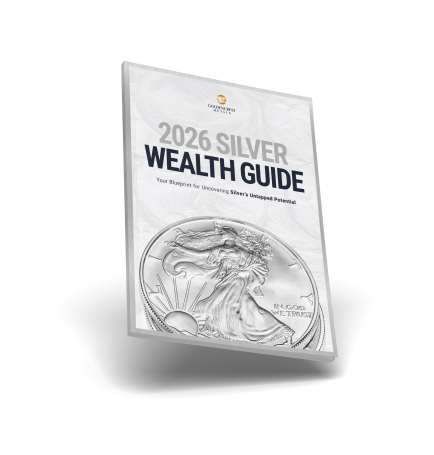
That’s why we created this brand new Silver Wealth Guide — your roadmap to what Trump, Musk, and the elites already see coming.
Costs, Limits, and Tax Considerations When Investing in Physical Gold Through an IRA
A full picture of fees, contribution limits, and tax rules makes it easier to compare physical holdings versus paper options in a retirement portfolio.
Common fees and how they affect returns
Expect these costs: account setup, annual custodian maintenance, storage charges, and per-transaction processing. Each line item reduces net returns on non-income assets.
Why it matters: physical metal does not produce income. Ongoing fees can outpace modest price gains and shrink long-term value.
Contribution limits and planning for 2025
For 2025 the IRA contribution caps are $7,000 for investors under 50 and $8,000 for those 50 and older. These limits apply to total contributions across Traditional and Roth accounts.
Tax benefits and withdrawal rules
Traditional accounts may allow tax-deductible contributions now, while Roth accounts grow tax-free and allow tax-free qualified withdrawals in retirement. Qualified withdrawals mean distributions taken after age 59½ that meet plan rules.
“Early withdrawals before 59½ typically trigger a 10% penalty plus applicable taxes — a costly outcome if you need quick cash.”
Liquidity and selling realities
Selling physical holdings inside an account can involve dealer spreads, buyback pricing, and longer processing times. That can make fast access to cash costly or slow.
Physical metal vs. paper options
Paper products such as bullion ETFs (for example, SPDR GLD or iShares IAU) often carry lower ongoing costs and are easier to trade inside a Traditional or Roth account.
| Factor | Physical metal in a self-directed account | Paper options in a regular IRA |
|---|---|---|
| Typical fees | Setup, yearly custodian, storage, transaction | Expense ratio, trading commissions (usually lower) |
| Liquidity | Slower; dealer spreads and shipping to depository | Fast; traded on exchanges during market hours |
| Storage & custody | Required depository storage and insurance | No physical storage; custodian holds securities |
| Best for | Investors wanting physical diversification and inflation hedge | Investors prioritizing low costs and ease of rebalancing |
Bottom line: weigh fees, storage, and tax rules against your portfolio goals. If low costs, liquidity, and simple rebalancing matter, paper options may suit better. If you value owning physical metal and accept extra costs, a self-directed path can fit a diversified retirement plan.
Conclusion
A straightforward compliance routine prevents costly mistakes when adding physical precious metals to your retirement holdings.
Keep the checklist tight: aim for 99.5% purity (note the American Gold Eagle exception), verify the refiner or mint, confirm like-new condition, and use an IRS-approved storage facility under a custodian.
Common pitfalls are mixing collectibles with bullion, buying from vague online listings, and keeping metal at home — which can undo tax benefits.
Plan for contribution limits and ongoing fees, and weigh physical holdings against paper options like ETFs for liquidity and lower costs.
Next step: compare custodians and depositories, request full fee schedules, and buy only clearly documented, investment-grade pieces that meet IRS standards.