
Affiliate disclosure: purchases made throught the link may pay the affiliate a commision at no extra cost to you. Thanks for helping keeping the site running. Informational in nature only, not financial advice.
Surprising fact: more than 20% of investors who added precious metals to a retirement account in the last five years chose silver as a core holding.
What does “IRA eligible silver coins list” really mean? It points to coins that meet strict IRS fineness rules and the policies of your custodian. Not every well-known piece qualifies.
This guide previews why silver can work in a retirement account, how a self-directed account operates, and which purity and manufacturer rules matter. You’ll get practical coin-by-coin notes, years to watch, and common pitfalls.
Important: “IRA eligible” is not the same as popular or collectible. Some famous issues fail due to packaging, year, or fineness.
This is informational only, not tax advice. Always confirm details with your custodian before buying metals for a retirement account.
Our Top Company Pick for 2026

Minimum Investment with Augusta Precious Metals is $50,000.
See Our Full 2026 Company ComparisonKey Takeaways
- Eligibility depends on IRS fineness rules and custodian policies.
- Silver can fit a retirement strategy, but condition and packaging matter.
- The guide covers self-directed accounts and approved manufacturers.
- Not all popular pieces are allowed — check year, purity, and brand.
- Use the checklist later in this guide to verify compliance and liquidity.
Why silver belongs in a retirement account portfolio
Many investors add physical metal to retirement plans because it offers a tangible hedge against currency and market risk. Over a thousand years, silver served as money and backing for currencies, so it still appeals as a long-term store of value.
Silver’s long-term appeal and safe-haven reputation
Precious metals like silver and gold attract demand when inflation or volatility rises. That safe-haven perception often leads buyers to shift away from fiat and paper holdings.
Industrial demand that supports bullion interest
Unlike some assets, silver has broad industrial uses. Its conductivity and malleability keep it vital for solar PV, microchips, batteries, medical and dental tools, and water purification.
How a physical asset can diversify beyond stocks and bonds
Adding physical bullion can lower portfolio correlation with stock and bond allocations. Diversification is a way to balance outcomes, not a promise of profit.
- Weigh premiums, storage costs, and liquidity before buying.
- Size positions to match your time horizon and retirement goals.
How a Silver IRA works in the United States
Plainly put: a silver IRA is usually a self-directed retirement vehicle that lets you hold physical metals instead of just stocks and bonds. It gives you control over allocation but keeps compliance in the hands of a custodian.
What a self-directed account does and why it’s used
Self-directed means the account owner chooses products and strategy. The custodian enforces rules, files reports, and arranges approved storage. This structure is the common route for a precious metals IRA or metals IRA.
Traditional vs Roth funding and withdrawal timing
A Traditional account uses pre-tax dollars and usually taxes withdrawals after age 59.5. A Roth uses after-tax funds; qualified withdrawals are generally tax-free. Your distribution rules shape which individual retirement choice fits your goals.
Storage rules and the custodian’s role
Home storage is not permitted. Metals must be held by a qualified custodian in an approved depository to keep the tax-advantaged status of the individual retirement account.
- Purchases flow through the IRA and are shipped to the depository.
- The asset is recorded under the account, not personal possession.
- Many investors pair gold and silver in a metals IRA or gold IRA for wider exposure.
IRS rules that determine IRA-eligible silver bullion
Before you buy, know the hard rules that decide which bullion qualifies for retirement accounts. The government sets a baseline, and custodians apply their own policy on top of it.

Our Top Company Pick for 2026

Minimum Investment with Augusta Precious Metals is $50,000.
See Our Full 2026 Company ComparisonMinimum purity standard
Baseline fineness: bullion must generally be .999 fine (99.9% pure) or higher. This fineness is a hard gate because it defines metal content for tax and resale purposes.
What makes a qualified manufacturer
A qualified manufacturer is more than a name on a piece. Custodians accept products from mints or refiners certified by major market bodies (for example, LBMA, COMEX, or other recognized assayers).
Types of products that typically qualify
Accepted product types include bullion coins, bars, and rounds. Certain proof issues can be allowed, but only if they meet strict packaging and documentation rules.
Condition and packaging rules many investors miss
Bear in mind condition matters. Bullion coins should be brilliant uncirculated and damage-free. Proof pieces usually must remain ungraded, in original mint packaging, and include a certificate of authenticity (COA).
Why markings and a two-step check matter
Clear weight and fineness stamps, plus hallmarks, speed custodian acceptance and future resale. Treat “ira approved” as a two-step check: confirm IRS fineness rules, then verify your custodian accepts that maker and product.
| Requirement | What to check | Common pass examples | Fail triggers |
|---|---|---|---|
| Fineness | .999 or above | 99.9 pure bullion bars and rounds | 90% or unstamped items |
| Manufacturer | Accreditation (LBMA/COMEX) | Major mints and refiners | Unknown private mints without assay |
| Condition | BU or original packaging for proofs | Brilliant uncirculated coins; sealed proof | Damaged surfaces; loose graded coins |
| Markings | Weight, fineness, hallmark | Stamped bars and rounds | Unsigned or altered pieces |
For product-specific guidance and custodian checks, see this resource on how to buy for a retirement metals account: buying guidelines and custody tips.
Top Precious Metals Companies of 2026
A streamlined side-by-side snapshot to help you compare leading precious metals providers for physical metals and IRA rollovers.
Note: Minimums/fees can vary by account type and promotions. Always confirm details directly with the provider.
IRA eligible silver coins list
Below is a practical starting lineup of widely recognized government-minted pieces and bullion options commonly accepted for a U.S. retirement account. Exact acceptance hinges on meeting IRS fineness rules and your custodian’s policy.
American Silver Eagle
The silver eagle is prized for recognition and liquidity. Proof issues may pass custodian checks only if they remain ungraded, in original packaging, and include a COA.
Canadian Silver Maple Leaf
The maple leaf stands out for 99.99% purity, easing authentication and resale for retirement holdings.
Key international and other sovereign options
Britannia: only 2013–present strikes meet the .999 fineness requirement.
America the Beautiful, Vienna Philharmonic, Koala, Kookaburra, Libertad, Panda, and Krugerrand (silver) are all widely traded; premiums and availability vary by year and market demand.
| Coin | Note | Typical purity |
|---|---|---|
| Silver Eagle | High liquidity; proof rules apply | .999 |
| Maple Leaf | Very high purity; easy authentication | 99.99% |
| Britannia | 2013+ required for .999 standard | .999 |
Confirm before you buy
Check year/purity, BU or proof condition, original packaging/COA for proofs, and whether your custodian accepts that exact piece in an individual retirement account.
IRA-approved silver bars and silver rounds worth considering
Choosing bars and rounds often comes down to cost per ounce and ease of storage. Well-marked pieces from known refiners usually move faster in a depository and face fewer acceptance delays.
Recognized bar brands that simplify acceptance
Royal Canadian Mint, Perth Mint, Sunshine Mint are common picks because custodians and buyers know their marks. That recognition helps liquidity and resale.
Refiners and hallmarks that matter
PAMP Suisse, Valcambi Suisse, Credit Suisse carry trusted hallmarks and packaging. Those markings speed authenticity checks for bullion handling and inventory.
Rounds, legacy bars, and reduced-premium options
Rounds are typically private-mint items and lack legal tender status, so manufacturer acceptance is essential even when purity is high. Legacy makers like Engelhard, Johnson Matthey, Asahi, and Nadir remain widely traded.
“Any Mint, Any Condition” and special cases
Some dealers sell “Any Mint, Any Condition” bars to cut premiums. They can save money but must still meet fineness, exact weight markings, and come from a qualified source.
“Purity alone isn’t the whole test—clear hallmarks, weight stamps, and proven sourcing close the gap between a product and acceptance.”
| Category | Examples | Why it helps |
|---|---|---|
| Recognized bars | Royal Canadian, Perth, Sunshine | Faster custodian acceptance |
| Refiner hallmarks | PAMP, Valcambi, Credit Suisse | Simplifies authenticity |
| Legacy/rounds | Engelhard, JM, Asahi, Nadir | Market familiarity; watch maker rules |
Larger purchase formats for serious silver IRA investors
Large-format purchases can cut per-ounce costs and suit investors moving significant funds into physical holdings. This approach is best for big rollovers or steady contributions where lowering premiums matters.
Silver coin monster boxes and bulk pricing

Trump & Elon Reunite for Secret Silver Pact
Whispers are coming out of Mar-a-Lago and Silicon Valley…
Trump and Elon Musk may not agree on everything. But insiders say behind closed doors, they’re betting on the same thing:
Silver.
And the numbers explain why:
- Silver is now up more than 150% this past year, blasting through a new all-time high of $84.50 an ounce.
- Musk’s empire — Tesla, SpaceX, SolarCity — is devouring silver for EVs, satellites, and solar panels.
- Trump’s deregulation agenda could unleash even more domestic demand.
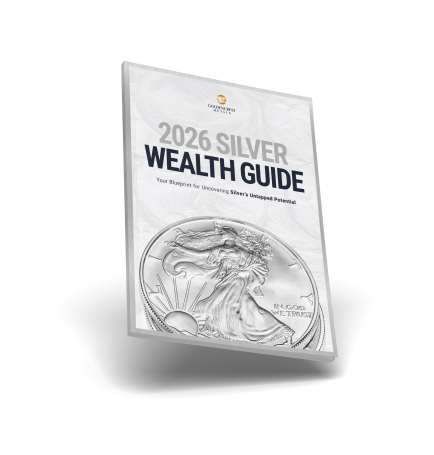
That’s why we created this brand new Silver Wealth Guide — your roadmap to what Trump, Musk, and the elites already see coming.
A monster box is a sealed bulk package, often 500 items for popular government strikes. Buying a box reduces the per-piece premium and simplifies inventory checks at the depository.
Sealed packaging helps with fast acceptance and easier auditing. But remember: the pieces inside still must meet product rules and your custodian must accept that format.
“Good delivery” bars and market signals
Good delivery denotes large bars that meet exchange specs from recognized refiners. These pieces carry consistent weight, purity, and hallmarks, which smooth institutional resale and custody handling.
- Trade-offs: Fewer line items and lower premium per ounce versus higher concentration and different liquidity.
- Practical tip: Ask your custodian about acceptable bar sizes and whether large-bar programs ease future liquidation.
Silver products that are not IRA eligible (and common mistakes)
Not every piece of metal you can buy will clear custody rules for a retirement account.
Why “junk silver” and pre-1965 90% coins fail purity rules
Junk silver (pre-1965 U.S. 90% coinage) contains real metal, but it usually sits at 90% purity. That falls short of the .999 fineness many custodians require.
Because of that gap, these popular circulating pieces are commonly turned down for account custody.
Collectible, rare, graded, or certified pieces and disqualification risk
Collectible or rare issues often carry value beyond metal content. Custodians avoid items treated as numismatic, graded, or slabbed because they complicate valuation and sale.
Ineligible Britannias and other year/purity gotchas
Watch Britannia dates: coins minted before 2013 are lower purity (about 95.8%) and can be refused even though they are well-known.
“Purity rules override pedigree — a famous mint mark won’t help if the item fails the fineness test.”
- Always confirm year, fineness, and maker before purchase.
- Proofs may pass only if kept in original sealed packaging with COA; graded slabs usually do not pass.
- When in doubt, verify with your custodian first to avoid costly mistakes.
How to invest in IRA-eligible silver the right way
Start by mapping the exact steps from account choice to final custody to avoid costly missteps.
Choose the account structure and fund it properly
Decide whether a self-directed individual retirement account fits your tax plan. Fund by contribution, transfer, or rollover. Document the flow so custodial records are clean.
Select an IRA custodian and approved depository storage
Pick a custodian with precious metals ira experience, clear fees, and links to trusted depositories. Remember: you cannot take personal possession without triggering a distribution.
Pick products that balance liquidity, premiums, and ease of resale
Favor well-known bullion and bars from recognized refiners to keep premiums low and resale simple. Compare coins vs bars and consider bulk formats for lower per-ounce cost.

Documenting fineness, exact weight markings, and sourcing for compliance
Keep invoices, COAs, and manufacturer info. Verify .999+ fineness and clear weight stamps before purchase.
| Step | What to do | Why it matters |
|---|---|---|
| Set up account | Choose self-directed trustee | Allows precious metals ira purchases |
| Funding | Contribute or roll over funds | Maintains tax-advantaged status |
| Buy & store | Select approved product; ship to depository | Smooths custodian acceptance and resale |
Tip: Use silver and gold to diversify beyond stock holdings, but size positions to match your retirement goals.
Conclusion
The bottom line: acceptance starts with .999+ purity and a recognized manufacturer. After that, product type, condition, and custodian rules determine whether a piece clears custody.
Practical coin picks: American Silver Eagle, Canadian Maple Leaf, and Britannias dated 2013 or later are common choices because they meet fineness and recognition tests.
For bars and rounds, lower premiums are real but only when markings, hallmarks, and sourcing match account standards. “Any Mint, Any Condition” can work if the dealer supplies qualified product.
Avoid costly mistakes: pre-1965 90% junk issues, graded/numismatic slabs, and wrong-year Britannias often fail custody checks.
Action plan: confirm acceptance with your custodian first, choose liquid products, ship to an approved depository, and keep invoices and COAs organized for the life of the account. For practical steps and custody guidance see buying guidelines and custody tips.
When handled with clear rules and careful selection, silver and other precious metals can be a useful retirement diversifier.